Category Archives: General

“Food for Thought” – Youth Exchange

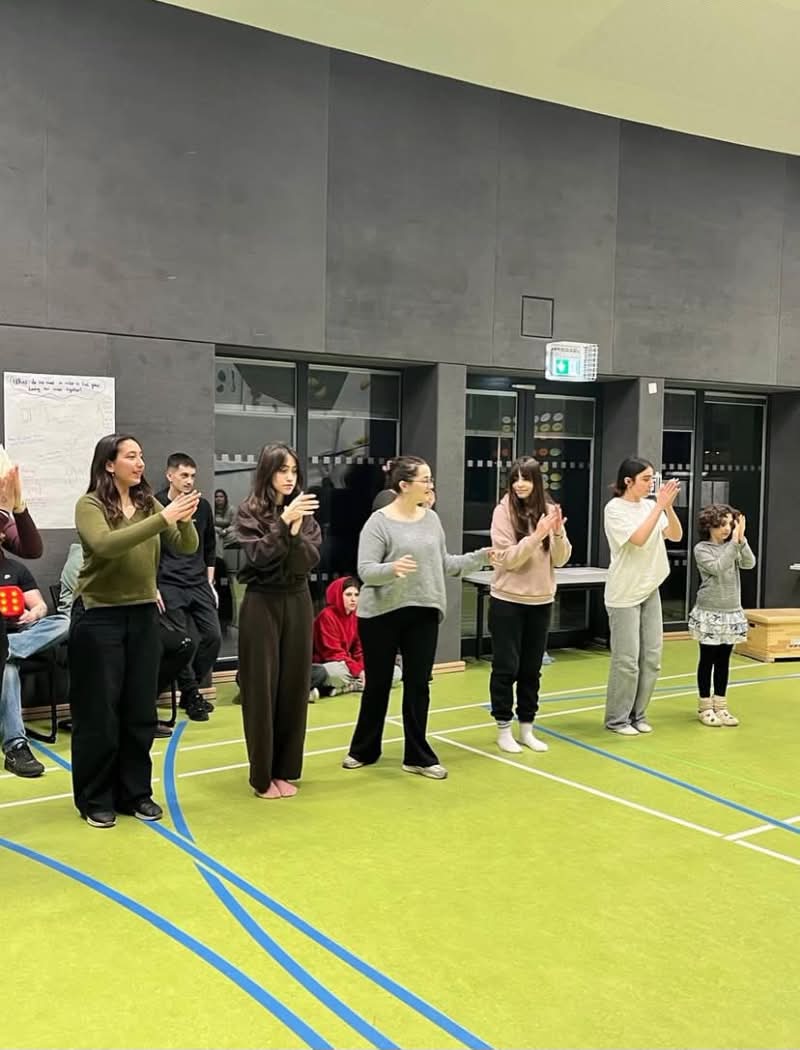
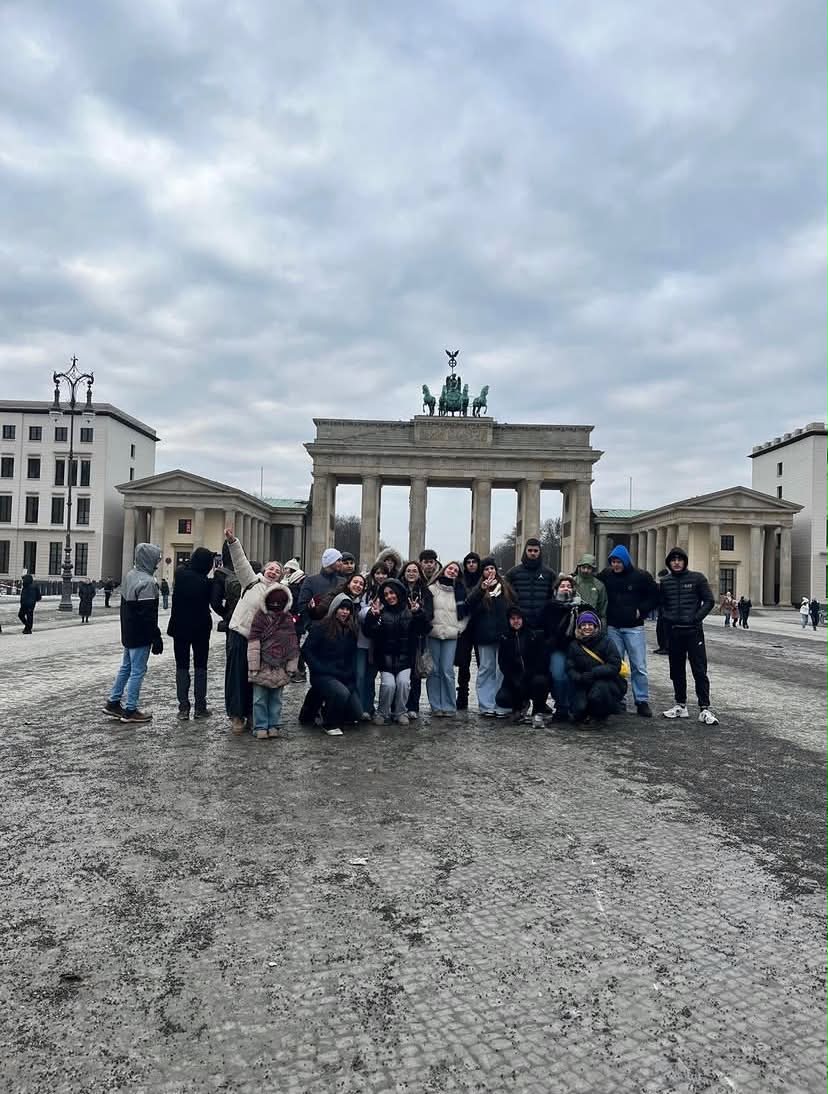
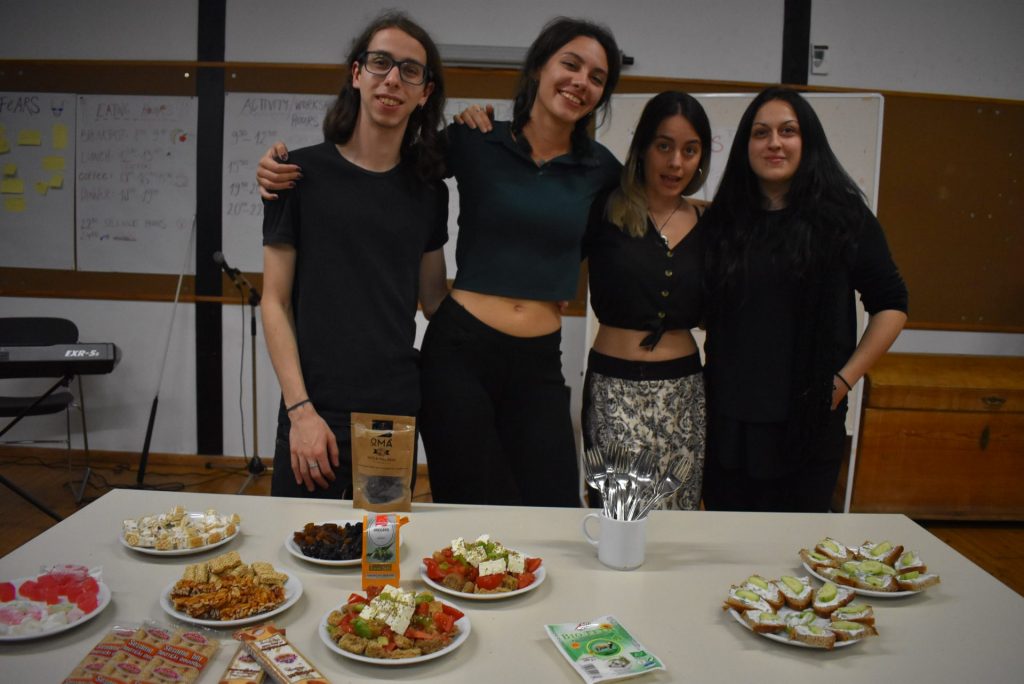
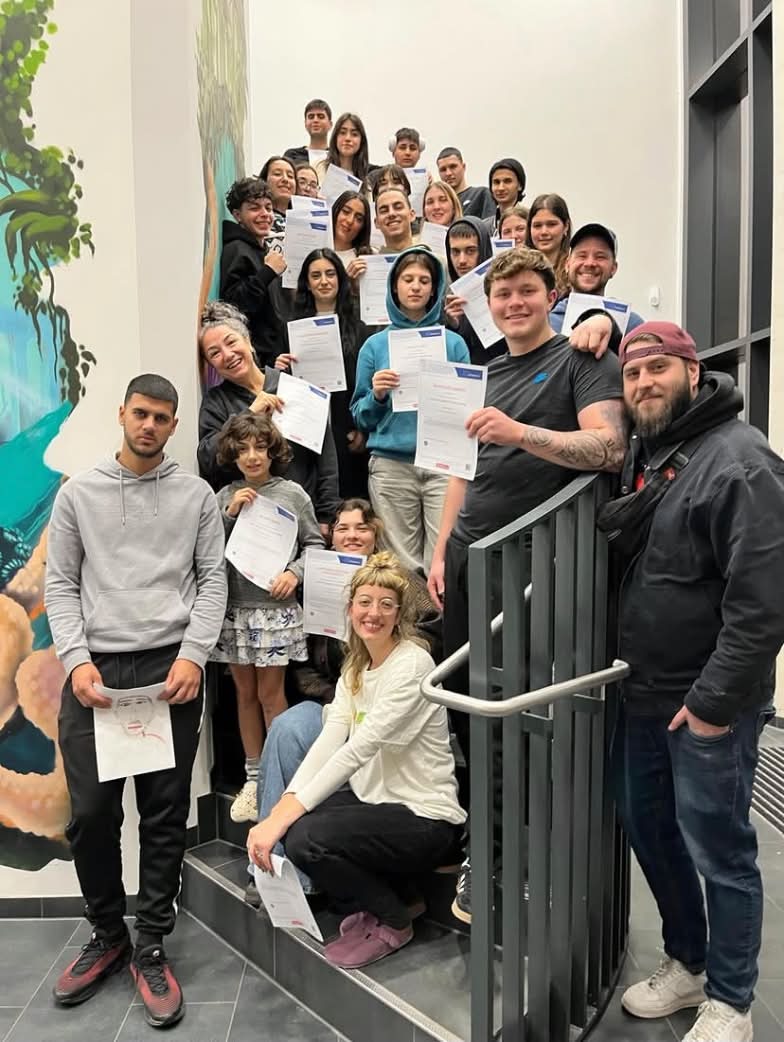
From the 1st until the 8th of February, Elisson gUG hosted in Spandau, Berlin the Erasmus + Youth Exchange “Food for Thought”! In this program 30 youngsters from Greece (Filoxenia NGO), Germany and Turkey (Yenirenk Derneği) came together to share sustainable recipes, to learn why does it matter to choose regional and seasonal ingredients and to learn about solidarity kitchens.

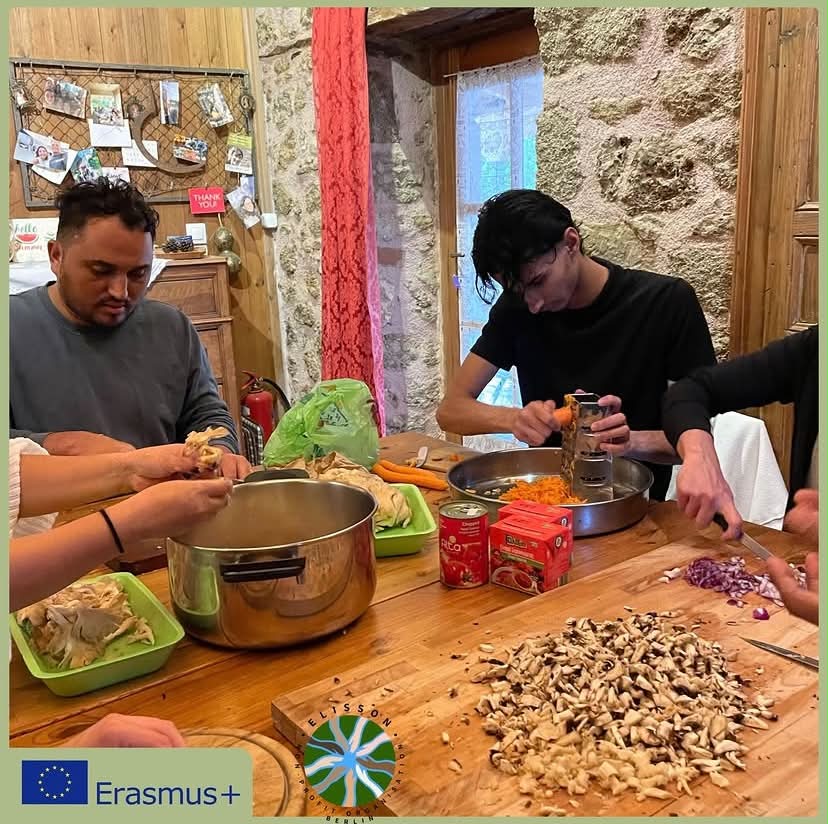
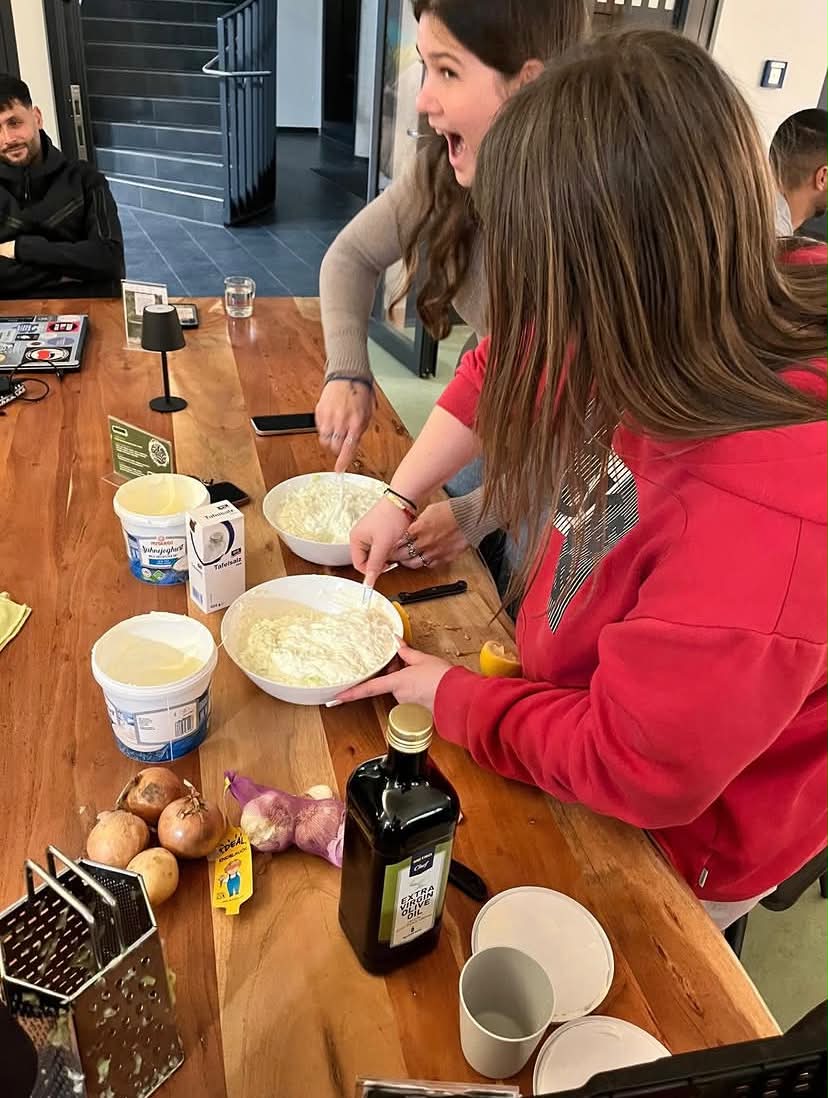
Another important aspect of this project was the intercultural exchange that took place during the week. The participants had the chance to discover the similarities and differences between their cultures and how these differences can be bridged through food. In that context the youngsters participated in an intercultural evening and to two cooking sessions that combined dishes from each country. 

The program also included informative inputs that were based on the participants’ self reflections on their own food behaviors and on the field work by participating in the “Berliner Tafel”, a communal gathering managing the redistribution of food to people who face food scarcity.

It was a week in which we rediscovered ourselves, witnessed the beauties of intercultural work and brought together for a common cause, to learn more about food. We would like to thank all participating members, partners, and supporters who made this experience possible, and to the Erasmus+ Program for co-funding this project.  
“Food for Thought” – Training Course

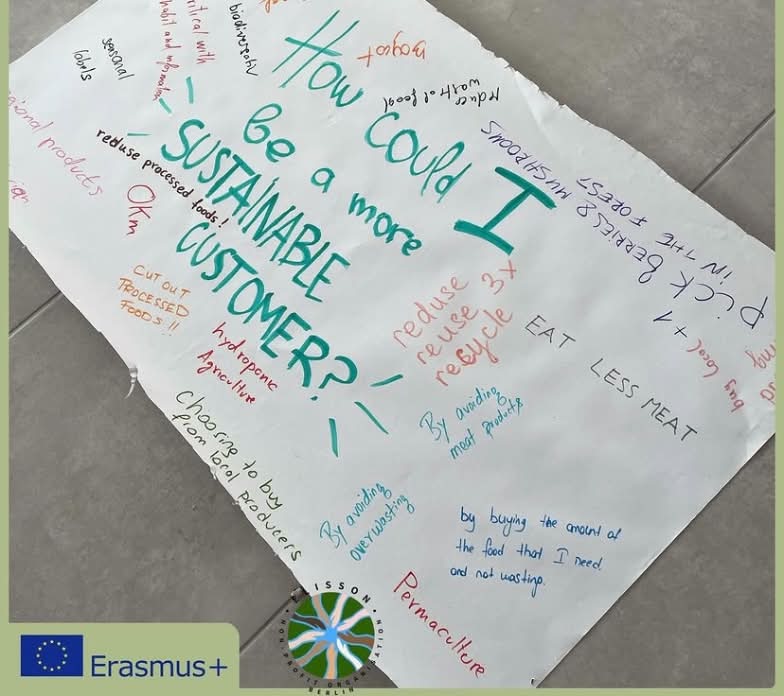
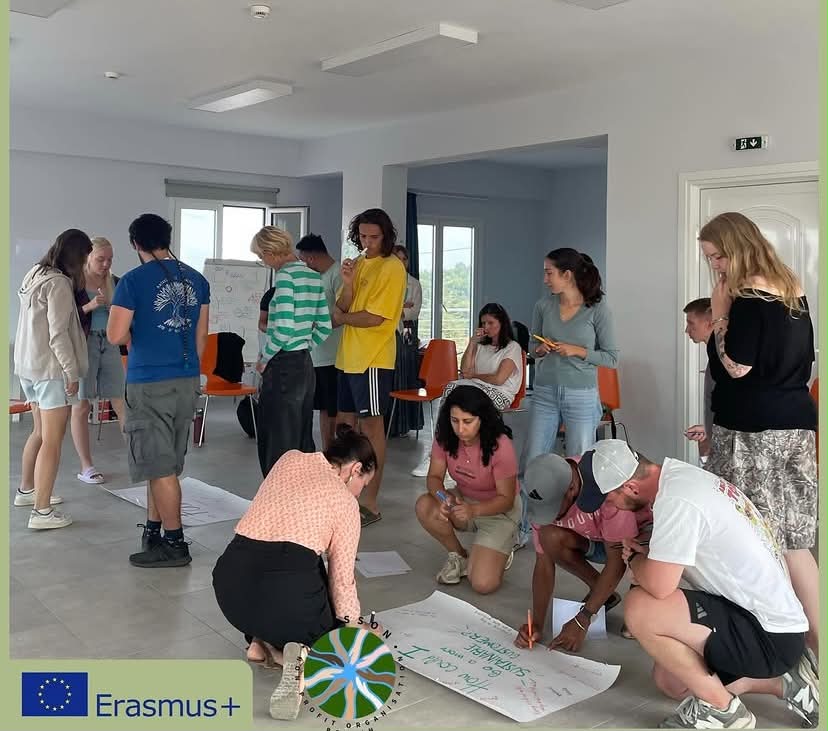
From September 24 to October 1 2025, Elisson gUG hosted in the village of Kryoneri Korinthias the Erasmus+ Training Course “Food for Thought”! Together with our partner organizations Filoxenia NGO and participants from Germany, Greece, Spain (Centro de Información Juvenil. Ayuntamiento de Murcia), Slovakia (Connectus Slovensko), Finland (Villa Elba), Estonia (Estyes) and Turkey (Yenirenk Derneği) ,we explored food as much more than nutrition – as a tool for education, sustainability, social change, and community building. 


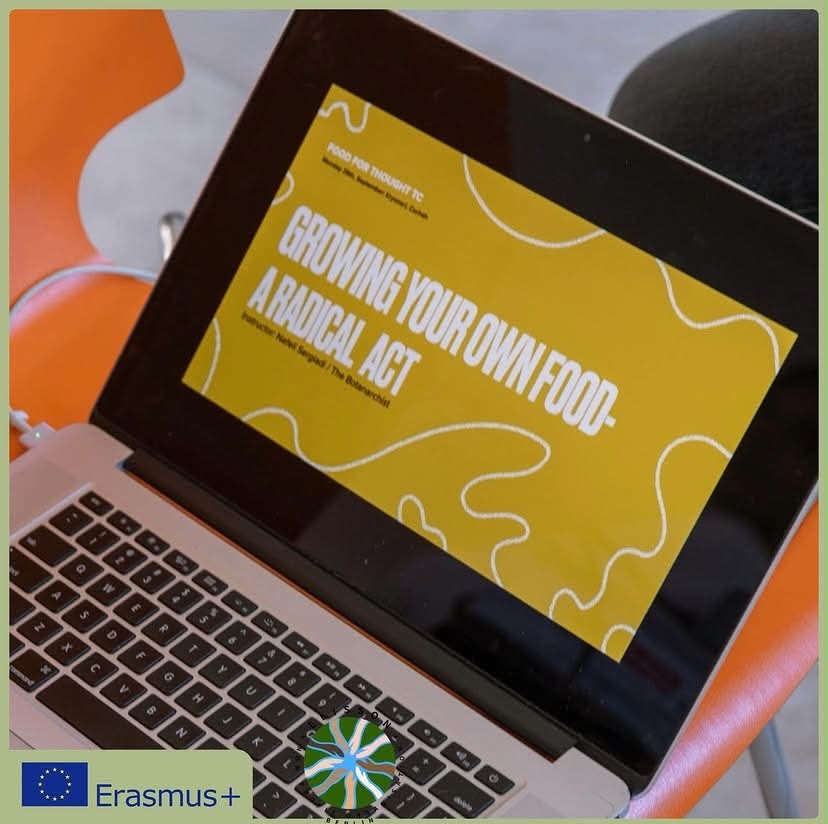
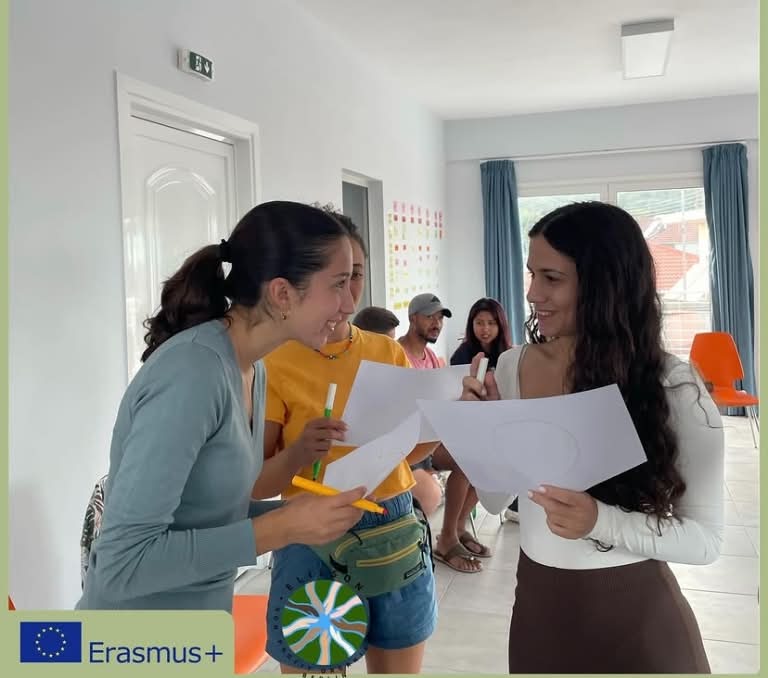
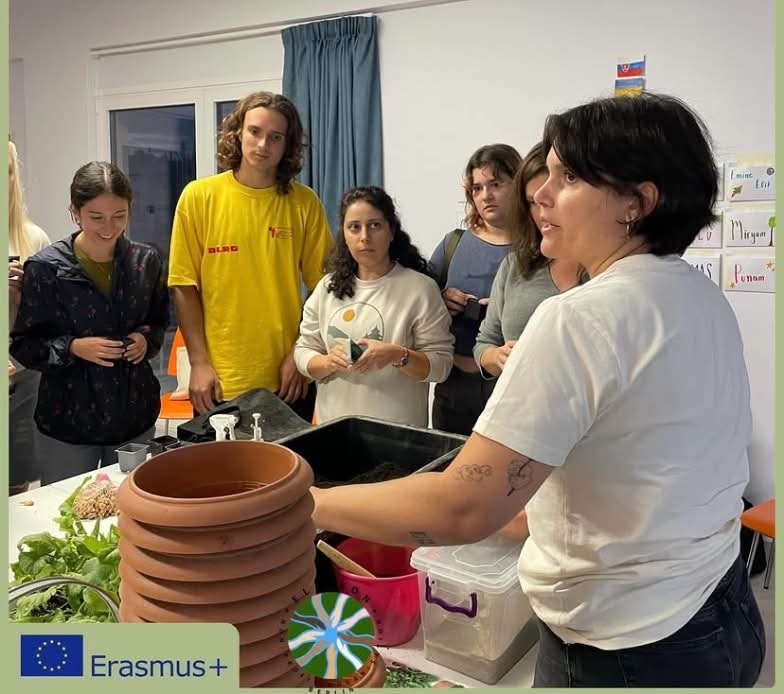
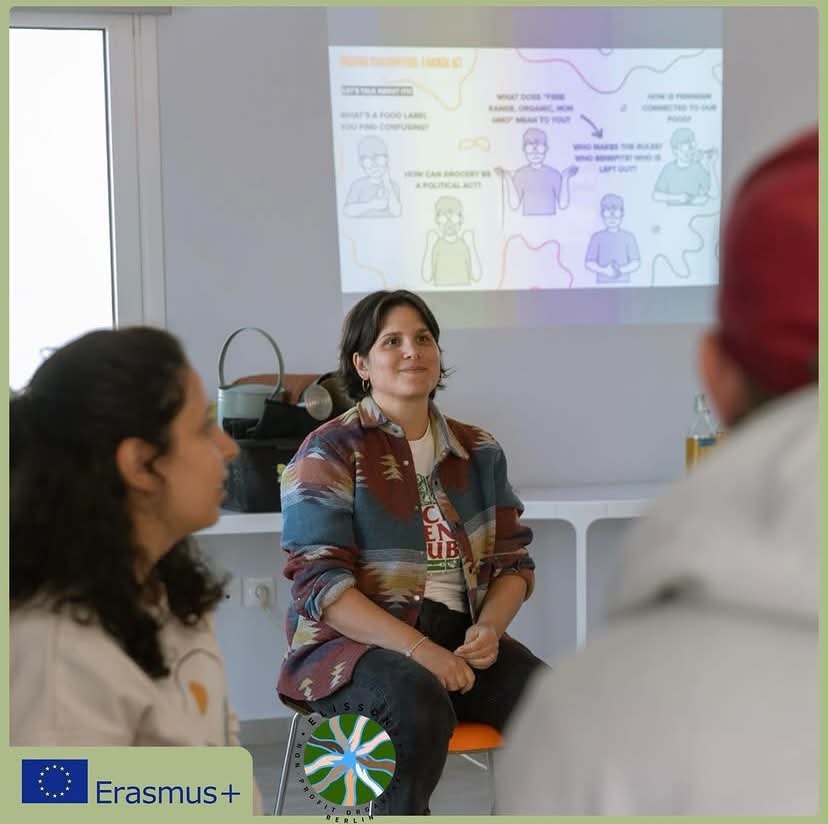
Throughout the week, we reflected on our food habits and consumption patterns, discussed food literacy, sustainability and cultural heritage, while gaining practical skills through hands-on and experiential learning methods. Participants engaged in workshops on food behavior, learned how to critically read food labels and compare products and prices through practical activities, explored the importance of seasonal and regional food through a cooking session with Nomade et Sauvage, a local nomadic culinary collective, and discussed the environmental, social, and political dimensions of what we eat in a workshop from Nefeli, the person behind Botanarchist, an educational instagram page all about fermentation, seasonal produce, home brewing, and plant-based crafts.
   

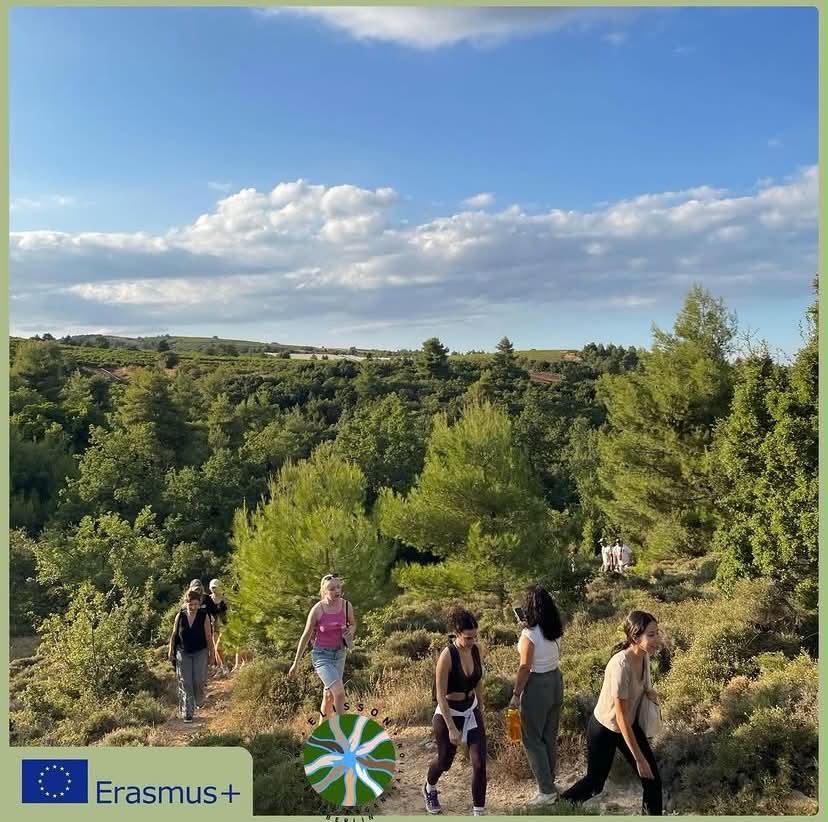
We experienced food in practice by shopping for ingredients together and preparing meals collectively, transforming cooking into a space for cooperation, care, and learning. Beyond the workshops, we shared meaningful moments through a group hike and an intercultural evening.
   

“Food for Thought“ empowered participants to see food as a transformative tool that can inspire change in their communities and everyday lives.

We would like to thank all participating members, partners, and supporters who made this experience possible, and to the Erasmus+ Program for co-funding this project. 
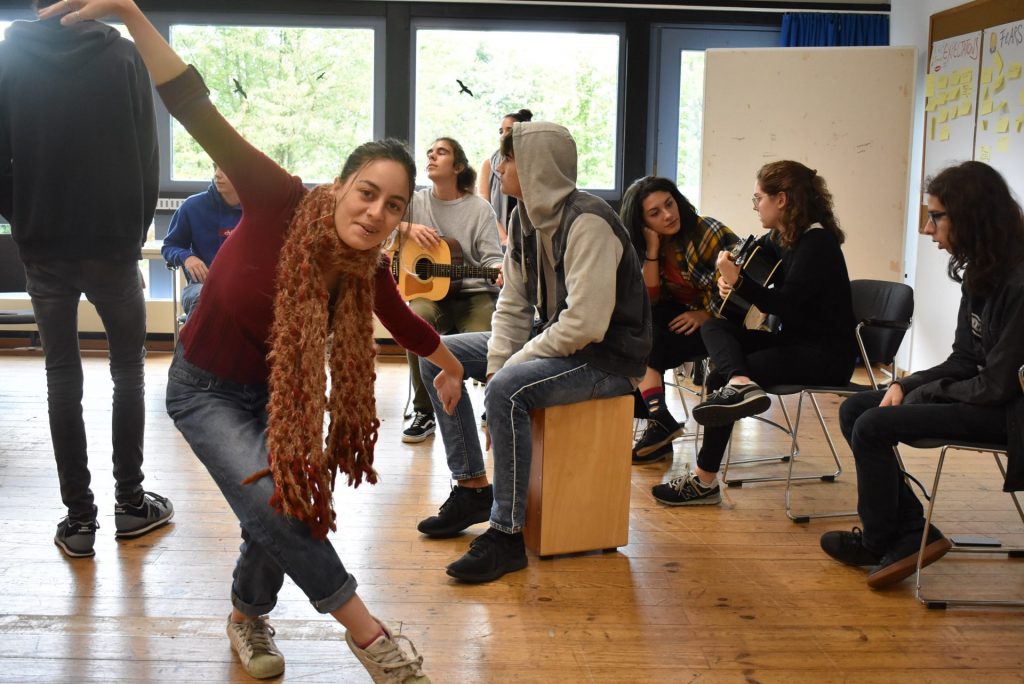
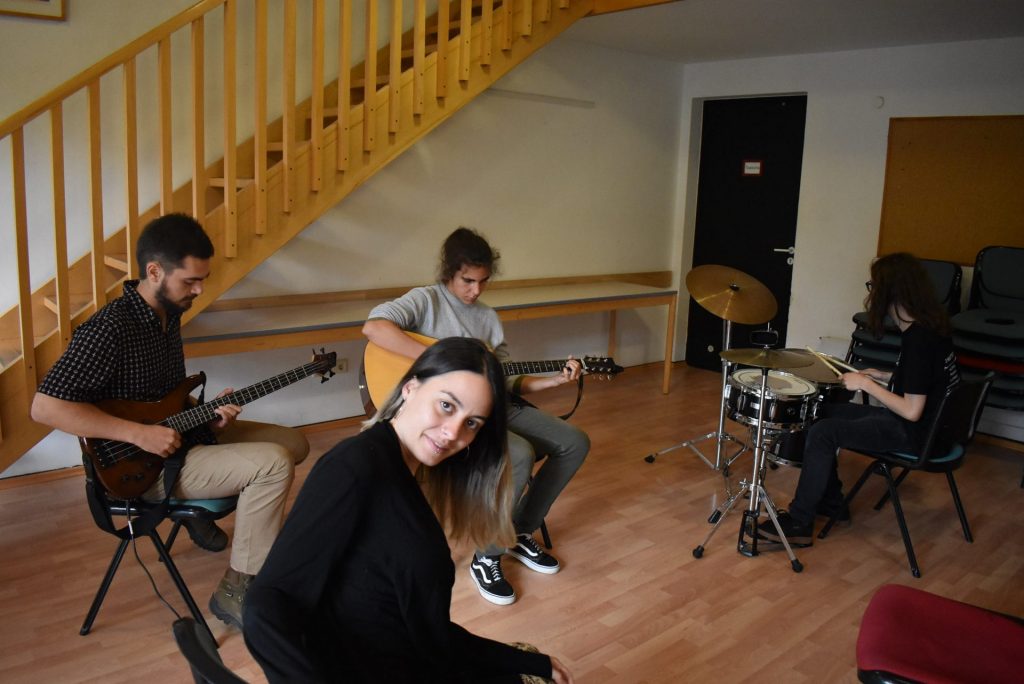
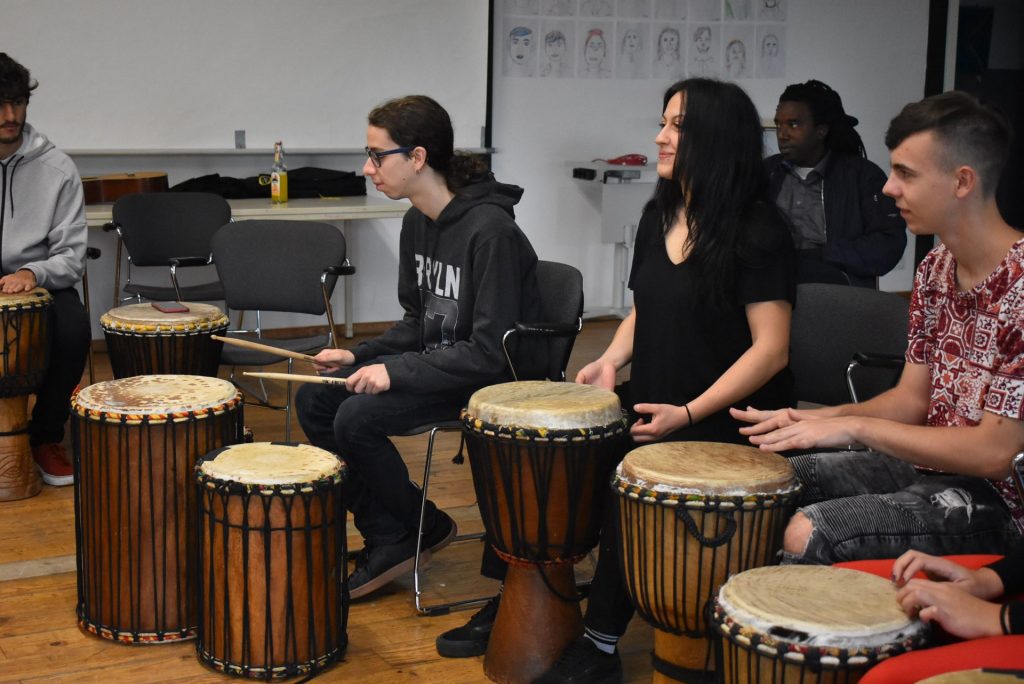
MUSIC- Cultural Heritage; YOUTH 4 music traditions (21.9.-28.9.2019), Jugendakademie Walberberg PART 1

Our experience from the Erasmus+ program in Bornheim, Germany.

Our group travelled from Greece.

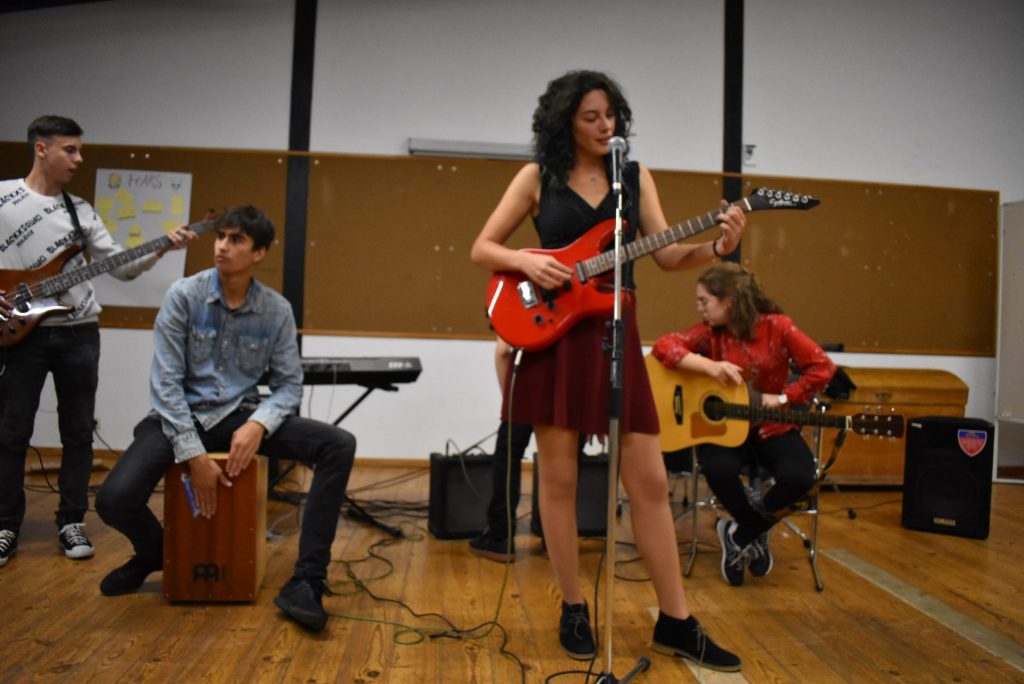
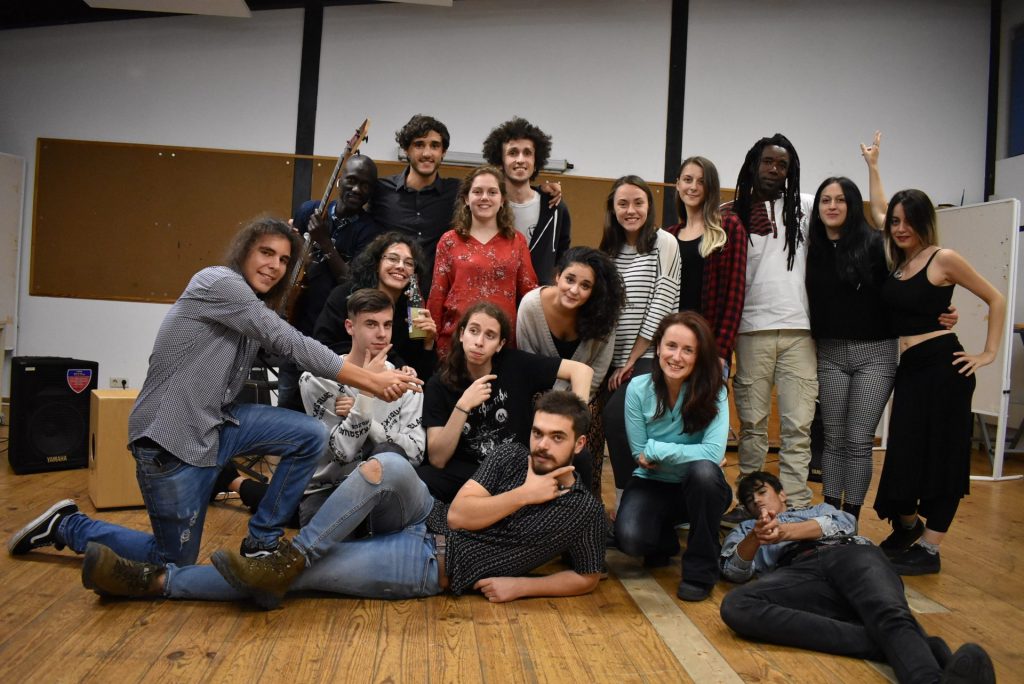
Five young musicians departed in order to meet other groups and share an amazing musical journey. Friendships where built very quickly between people that where strangers beforehand. Musical and cultural knowledge was shared.

Each group organised a cultural night about their countries and everyone learned a lot about each nation’s customs, while also trying out traditional foods and beverages. The coexistence of all those different people, us included, made us realise we have absolutely nothing to separate with the other nations. Learning about the rest of the world is important and beautiful, even more so when you experience each country and/or tradition first hand.

The only downside is the distance that is now between us and the rest of the participants, as we feel like we now have an everlasting bond that we will always treasure.

Our -especially musical- journey is far from over, but it is certainly enhanced after this outstanding week.

Greek participants: Ariadni Bimpisidi. Aris Mastrokalos, Aikaterini Karvountzi, Vasiliki Gerali

European Voluntary Service

European Voluntary Service (EVS)

What is it?

The Erasmus+ programme offers young people the chance to make a difference through the European Voluntary Service.

The European Voluntary Service (EVS) gives young people the opportunity to express their personal commitment through full-time voluntary work in a foreign country within or outside the EU.

The EVS aims to develop solidarity, mutual understanding and tolerance among young people, while contributing to strengthening social cohesion and promoting active citizenship. Their learning experience is formally recognized through a Youthpass . Volunteers receive free board and lodging, insurance cover and a grant for the duration of the project (in some cases they may be asked for a contribution for travel costs).

EVS volunteers working for more than two months abroad can get additional support to learn, and test their progress in, the language used during their volunteering.

What does it support?

A successful EVS project requires close co-operation among at least three key players:

  • The sending organisation;
  • The receiving organisation;
  • The volunteer.

One of the organisations involved plays the role of coordinator and applies for an EU grant on behalf of the partnership.  Organisations perform a number of roles:

  • They identify volunteering opportunities;
  • Develop projects that benefit the local community;
  • Recruit and prepare the volunteers, host them, and ensure follow-up.

The EVS core values and quality standards are laid down in the EVS Charterpdf(294 kB) Choose translations of the previous link . To uphold these standards, organisations interested in sending or hosting EVS volunteers, or coordinating an EVS project, need first to be accredited. To do this organisations must first submit an application for accreditation (not the same as a funding application). If their application is approved, they can take part in applications for EVS projects. An accreditation can be withdrawn immediately in cases of non-compliance with the Charter. Organisations accredited to take part in EVS can be found in the EVS database .

Who can take part?
  • Are you aged 17-30 and willing to spend from 2 weeks to 12 months abroad as an EVS Volunteer? Start by having a look at the European Youth Portal  for information, volunteering opportunities, and the database of EVS organisations.
  • Are you an organisation willing to develop an EVS project? The Erasmus+ Programme Guide   provides detailed information about the conditions for participating. In most cases, the application for funding and accreditation is submitted via the Erasmus+ National Agencies in each country participating in the programme. The Agencies are the primary information sources for the users of the programme: organisations are invited to contact them for information and advice.
Links
EU-Commission Erasmus+ Volunteering Activities

Seminar House

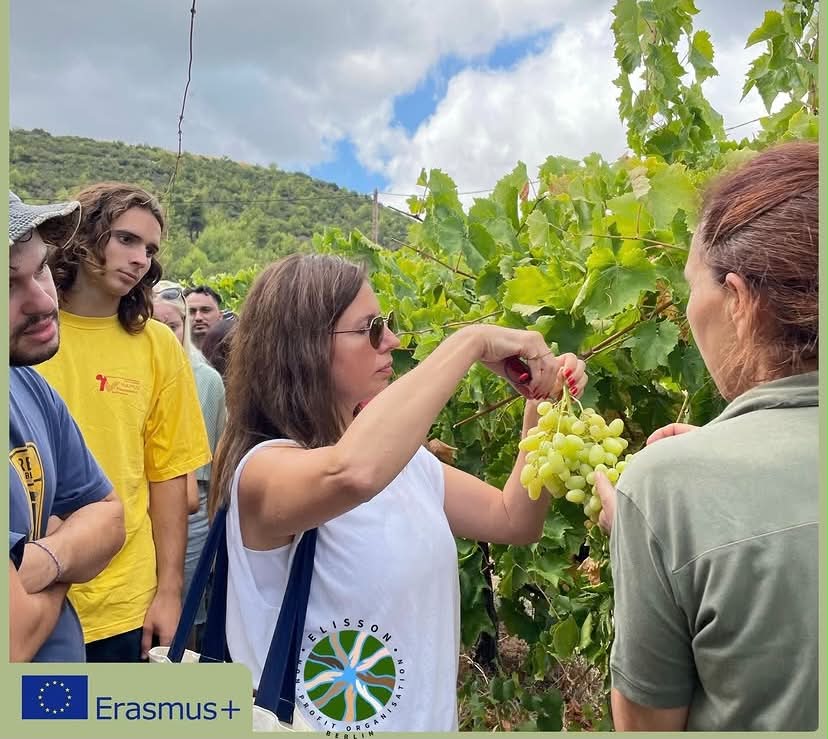
The semniar house ELISSON is situated in Kryoneri, a mountainous village (740m altitude) surrounded by vineyards, 150 km from Athens Airport. From Kryoneri it takes only 15 km to the next beach of the famous Gulf of Corinth. Kryoneri is the ideal place to go hiking in the beautiful mountains or to go for a swim in the Gulf of Corinth. Also it is a perfect starting point for further travels to Corinth, Athens, Olympia, Delphi or the world-famous antique theatre of Epidaurus.

The house offers two double-bed bedrooms (one of which is wheelchair-accessible),and three 4-bed-lofts in the upper floor. All rooms are en-suite and have their own balcony. Furthermore the house has a big living-room with a fireplace, a kitchen for self-catering as well as a spacious seminar room with full equipment.

Seminar Room: 69,30 m2 (L 8,99+0,25 x W 7,50 x H 2,80)

 The seminar room is situated in the basement and it is combined with the seminar / meeting room. It contains 2 open spaces: the left space is the games room, containing 2 PC’s with free internet access, TV with terrestrial & satellite programmes & table games. The right space is the seminar room, with conference equipment (tables & chairs, white board, copier, small library, laptop & video projector).

Link
Seminar House ELISSON

Youth Exchanges

Experience diversity

Exchanges facilitate an encounter of people from different countries and backgrounds, providing them the unique opportunity to get to know each other, discuss and confront various themes, building an atmosphere of understanding and respect for other cultures and national differences, through non-formal education methods.

In an inclusive society, all people can live and work on an equal footing. In our opinion differences represent a chance and not an obstacle. Our projects are open to people with different social backgrounds and educational experiences.

In the sense of an inclusive understanding, it is normal to be different. The challenge of our projects is to enable everyone to participate, regardless of their individual characteristics. The objectives are to overcome barriers between young people, to promote equal opportunities for each other and above all to create and share experiences and learning opportunities.